


BROCHURE
Conference EXhibition & awards
MAIZE MARKET IN INDIA
MAIZE MARKET IN INDIA
The maize market in India is experiencing a surge in demand, particularly from the poultry and starch industries, while ethanol production is also contributing to price increases. Farmers are facing higher feed costs, leading to calls for the removal of import duties on maize. However, the domestic market is also seeing increased production and consumption, with India being a major maize producer and exporter.
Key aspects of the Indian maize market:
- Production and Consumption:
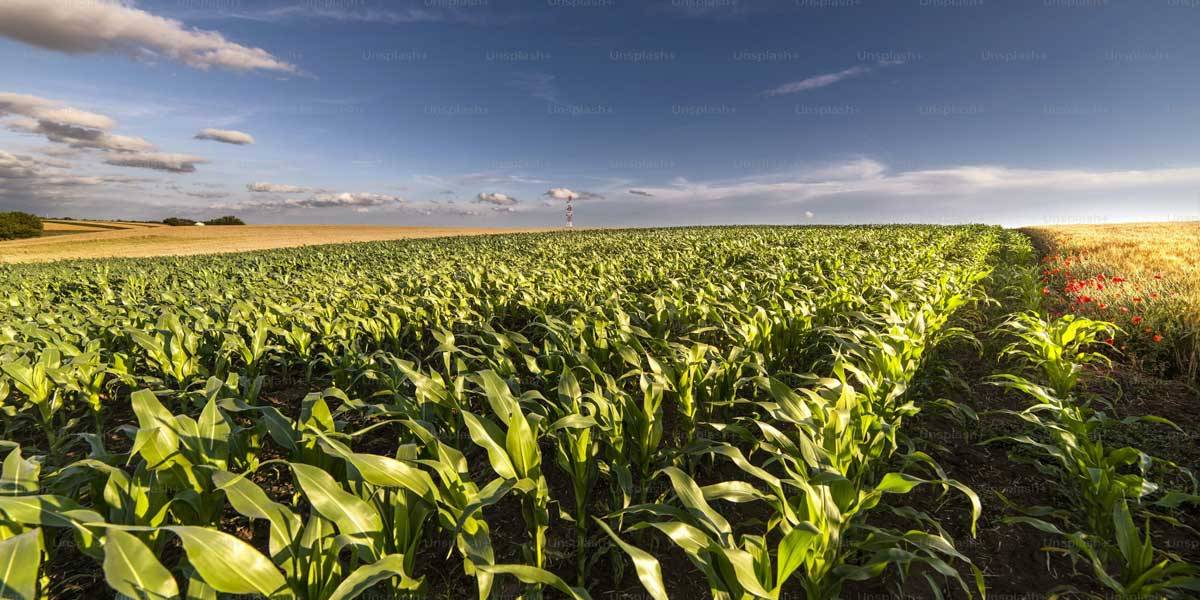
India is a significant maize producer, ranking fifth globally. It’s the third largest cereal crop in India and a major food grain, accounting for about 10% of the country’s total food grain production. The primary maize-growing regions are Karnataka, Madhya Pradesh, Maharashtra, Rajasthan, Bihar, Uttar Pradesh, Telangana, Gujarat, and Tamil Nadu.
- Demand Drivers:
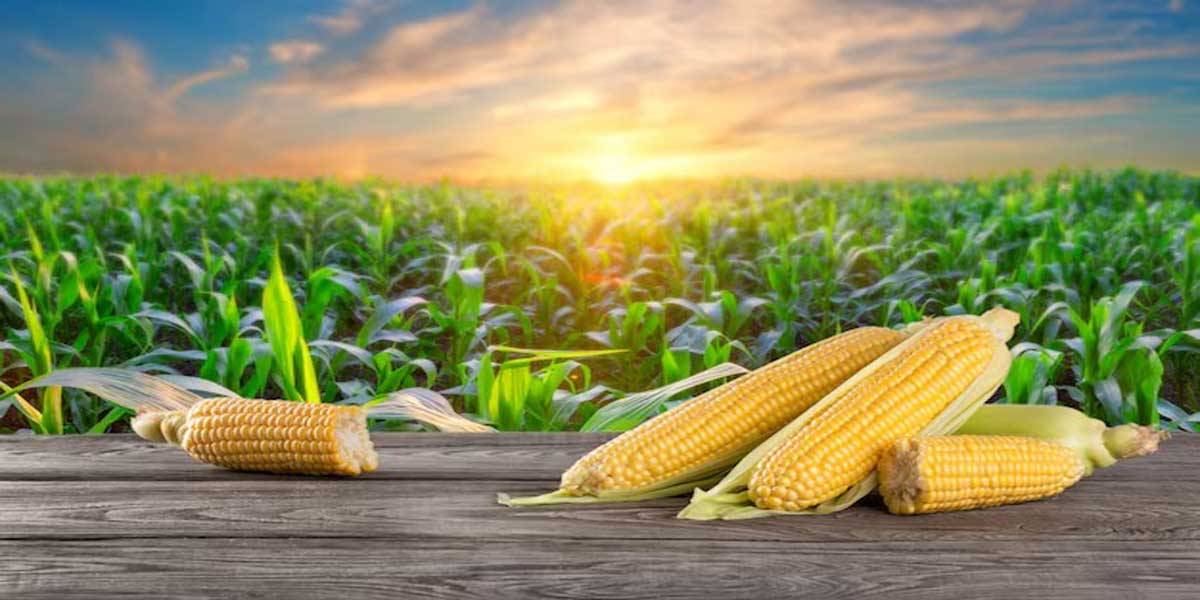
The poultry and starch industries are major consumers of maize, followed by the ethanol sector. Maize is also used in human food, animal feed, and various industrial products, including starch, oil, and sweeteners.
- Price Fluctuations:
Maize prices can fluctuate due to factors like domestic demand, ethanol production, and weather conditions. For example, recent reports indicate that prices in Gulabbagh, Bihar, have slightly decreased due to sluggish demand from ethanol buyers.
- Challenges and Opportunities:
The maize market faces challenges such as pest infestations, which can impact yields, and the need to balance the demands of different sectors. However, there are also opportunities for growth through increased mechanization, adoption of hybrid varieties, and building a competitive supply chain.
- Government Initiatives:
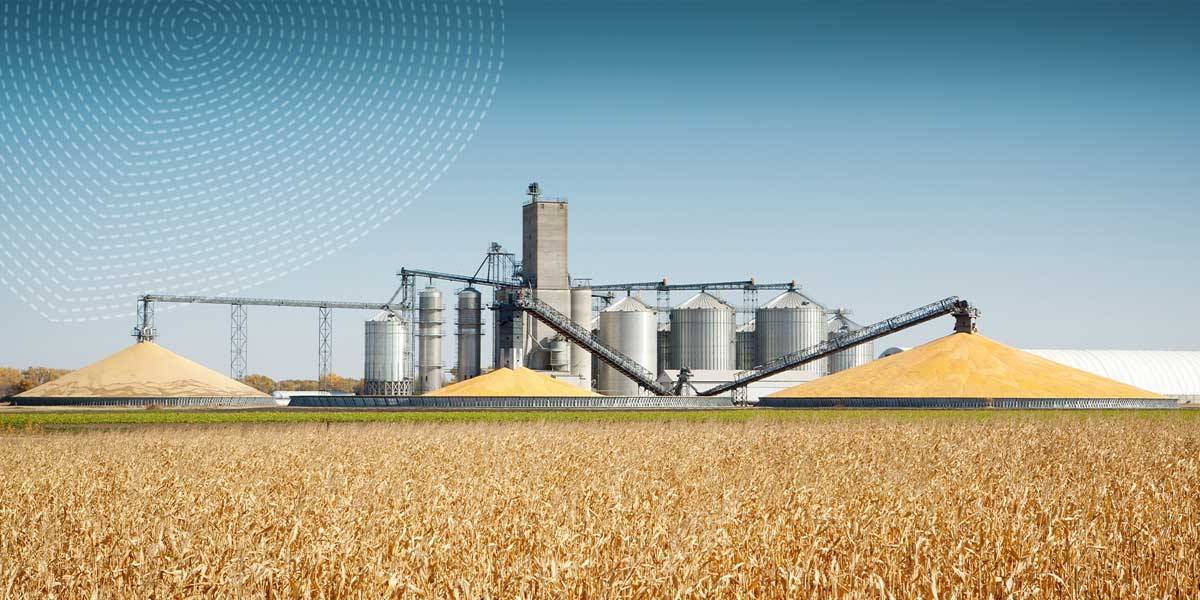
The Indian government is investing in modernizing grain storage infrastructure, including steel silos, to reduce post-harvest losses, which currently account for a significant portion of the annual production.
MILLET MARKET
The Indian millet market is experiencing significant growth, driven by rising health awareness and government initiatives promoting millet consumption. India is the world’s largest millet producer and a major exporter, with exports totaling USD 34.32 million in 2021-22. The market is expected to reach US$ 23.83 billion by 2033, with a projected CAGR of 5.3%.
India is the world’s millet capital, accounting for more than 40% of global production and nearly 80% of millet production in Asia. There are three major millet varieties: Ragi (Finger Millet), Jowar (Sorghum), and Bajra (Pearl Millet).
In addition to these three major millets, there are a number of minor millets, including Kutki (Little Millet), Kangni (Foxtail Millet), Barri (Proso Millet), Jhangora (Barnyard Millet), and Koden (Kodo Millet).
India produced an average of 16.39 million tonnes of millets between 2017-18 and 2021-22, comprising 9.75 million tonnes of pearl millet, 4.54 million tonnes of sorghum, 1.74 million tonnes of finger millet, and 0.37 million tonnes of minor millets. The nation has averaged 13.28 million hectares of millet cultivation, of which 55% is under pearl millet, 33% is under sorghum, 8% is under finger millet, and 4% is under minor millet.
SMillets are grown in approximately 21 states throughout the country. Rajasthan became the largest producer of millets in the country in 2021-22, followed by Maharashtra, Uttar Pradesh, Madhya Pradesh, Gujarat, Haryana, Jharkhand, Karnataka, Tamil Nadu, and Andhra Pradesh, which collectively have a more than 95% production share.
DDGS MARKET
The India DDGS Feed Market size is estimated at USD 0.57 million in 2025, and is expected to reach USD 0.96 million by 2030, at a CAGR of 11.1% during the forecast period (2025-2030).
The Indian DDGS feed market is experiencing significant transformation driven by evolving regulatory frameworks and trade dynamics. The government’s taxation policies have created a unique market environment, with DDGS attracting a 5% GST while traditional cattle feeds remain tax-exempt, influencing procurement decisions across the value chain. This tax disparity has prompted industry stakeholders to advocate for policy reforms to create a level playing field in the animal feed sector. The livestock industry’s substantial contribution of 4.11% to the overall GDP and 25.6% to the agricultural GDP underscores the strategic importance of the feed sector in India’s agricultural economy. Recent policy discussions have focused on potential amendments to the tax structure to support the growing DDGS industry.
The market’s trade dynamics are characterized by strong international relationships and import dependencies. Nepal has emerged as a dominant trade partner, accounting for 99.7% of India’s DDGS imports, highlighting the concentrated nature of import sources. The country’s feed industry is witnessing a gradual shift from traditional feed ingredients to alternative protein sources, with DDGS gaining acceptance as a viable substitute for conventional protein meals. Industry stakeholders are actively working to diversify import sources and strengthen domestic DDGS production capabilities to ensure stable supply chains and reduce import dependencies.
Ethonal Market
With a 20% blend (E20) in mind by 2025–2026, India is stepping up its efforts to improve ethanol blending in gasoline. The goals of this program are to promote the agriculture industry, lower carbon emissions, and increase energy security. Significant success has been made with the Ethanol Blending Programme (EBP);
in July 2024, blending levels rose from 1.5% in 2014 to 15.80%. This increase has reduced CO₂ emissions by 544 lakh metric tons and resulting in significant foreign exchange savings of ₹1.06 lakh billion. India’s ethanol production capacity has inflated to 1,685 crore liters per year in order to fulfill the E20 objective, and by 2025, it is expected to reach 1,700 crore liters. Escalated consumption of grain-based ethanol (700 crore liters) and sugar-based ethanol (400 crore liters) are the main drivers of this expansion. The government’s proactive policies, including financial incentives and infrastructure development, are pivotal in achieving these ambitious blending targets.
India's 1.4 Billion Food Consumers Market
Anouncing India Event of the year!
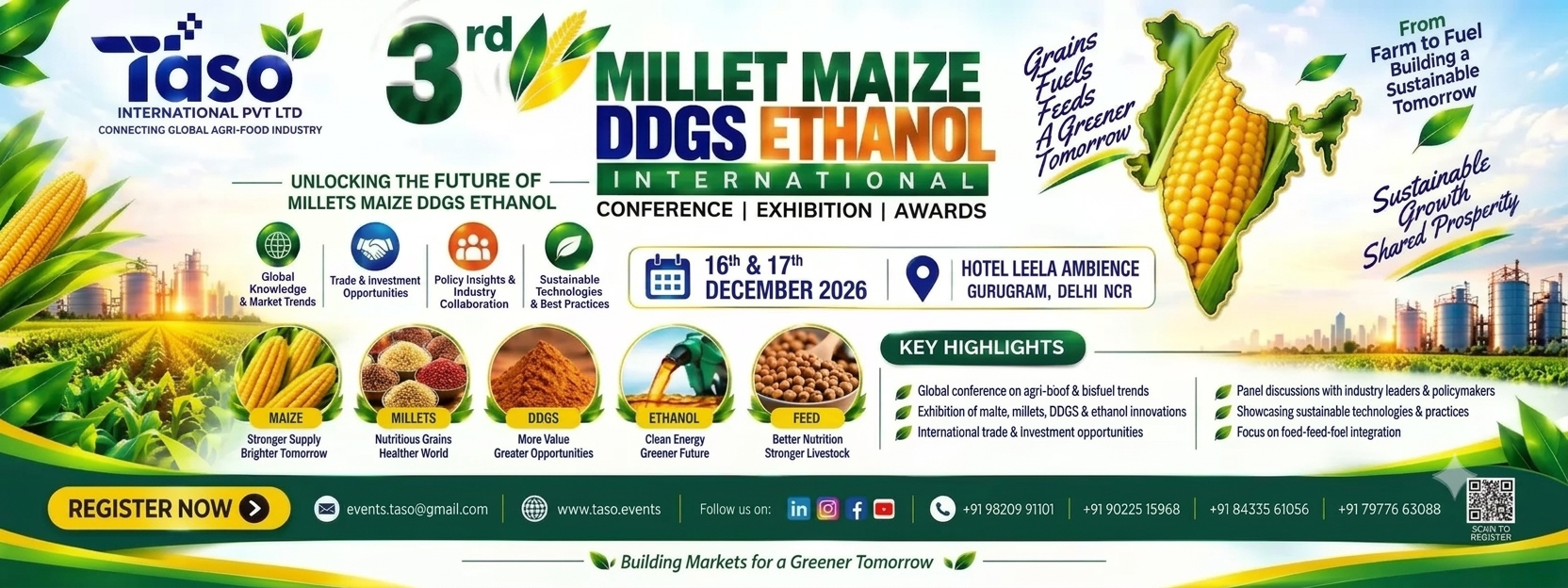
Welcome to the most anticipated event in the Maize Millets Industry! Millet Maize DDGS Ethanol is proud to present our upcoming trade show set to take place at luxurious hotel Leela Ambience at Gurgaon, Delhi.
Millet Maize DDGS Ethanol International
16th & 17th December 2026
Hotel Leela Ambience Gurgaon Delhi